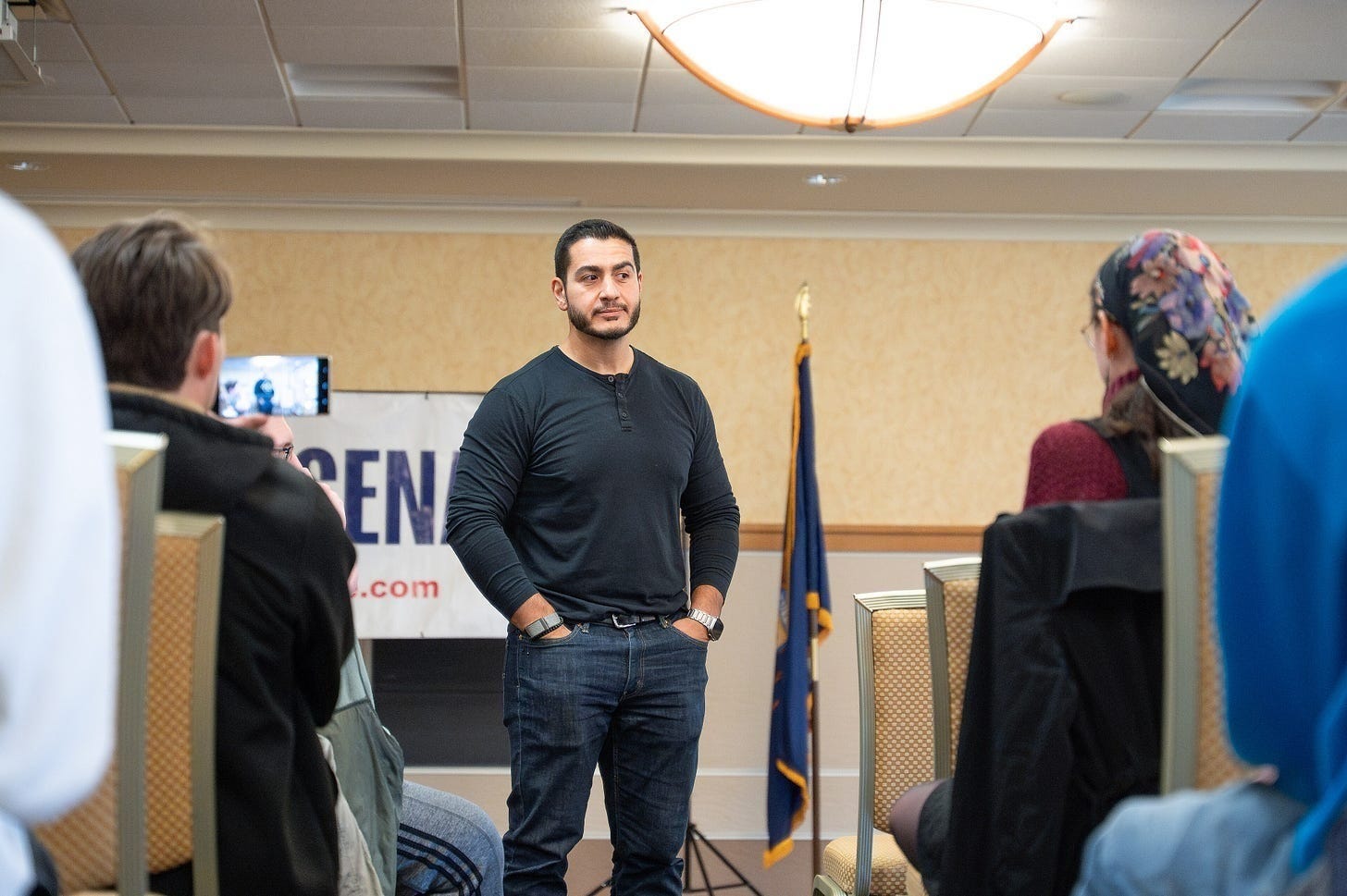
When I published the last iteration of this list in early August, we left off right on the edge of a massive political cliffhanger. Back then, we were just at the very end of a very long primary season, the results of which appeared to be shaping the discourse around the upcoming election in a way that I did not anticipate. From the very beginning of my Democratic presidential primary lists, I had worked off of the assumption that coverage of the 2026 midterms would be about the same as the coverage of every other midterm or off-year election: principally focused on the candidates in the closest and/or most consequential races. But then came a curveball: the unprecedented success of self-described democratic socialist candidates across the country. That wave became the talk of the political world as soon as it began and dominated the discourse for all the months afterwards, sucking away attention from the candidates and causes that I had assumed would get the most attention during the final months of the election. And this was all before what looked to be the electoral left’s coup-de-grace: two landslide primary wins in the swing states of Wisconsin and Michigan courtesy of Abdul El-Sayed and Francesca Hong.
The shock, sky-high primary polling leads that both candidates came out to at the last minute appeared to challenge everything that we had known about the left, its immediate political potential, and its realistic paths to victory. Even those of us who had long been bullish about the faction’s potential were taken aback by this and the sheer breadth of the horizons that appeared to have opened overnight. I made sure to note how hard it all was to square—could this possibly be the same Democratic electorate where AOC was only registering in the single digits?—but decided to err on the side of trusting the data I was seeing and the possibility of voters being more complex than pundits often understand. As such, I put out my rankings in anticipation that we might very well live in a world where AIPAC couldn’t even compete against a Muslim Berniecrat in Michigan and a Portlandia-level woke Madison DSAer could win the gubernatorial nomination in Wisconsin in a walk.
To state the now-obvious, we do not live in such a world. While the ultimate results were far from actually bad from the left—they got the showcase candidate they wanted in El-Sayed in the end, even if only narrowly, while Hong’s narrow loss was probably for the best—they still sent an indisputable message that the faction was very far from the kind of truly dominant position that its best polls indicated it was in. This provided the media with enough room to wrap up the left surge story on the terms it always wanted (mocking the faction as out-of-touch losers who always lose) before moving on back to regular midterm programming, which itself has brought no shortage of new shock stories. In addition to the expected copy (Talarico winning in Texas? Ossoff blowing off the doors in Georgia?), each new week since the shift to likely voter panels in September has brought out a new shock state that Democrats could possibly win. Iowa? Kansas? South Carolina? Mississippi? Not only has it brought coverage back to normal, but the scale of it all has been enough to raise the specter of something that appeared completely inconceivable two years ago: a definitive and early closing of the book on Trump and Trumpism, to such an extent that the man himself is rendered a complete lame duck during the entire second half of what was supposed to be a revolutionary administration. Liberalism, despite everything, could be back.
To make a long story short: we have a lot of updating to do. What does it mean for the left that Democratic voters are still very skeptical of it and that its flagship candidate has spent the general election hugging the establishment? How will the center manage to keep the base pessimistic enough to vote for them in the case that their party has flipped some of the most famously Republican states in the country, to say nothing about how its own candidates are actively mutinying? And if our triumphant mainstream liberals are the logical answer for this new era, who are the actual politicians out there capable of representing them?
(Dis)honorable Mentions
Before we begin, let’s start with a few names that have either received substantial recent coverage or were ranked in previous lists but didn’t make the top ten this time.
Rep. Ro Khanna: In all of my past rankings where I had Ro Khanna included, I always credited him for being willing to go anywhere and do anything to make attention and get an impact, as it contrasted quite nicely with the hyper-conservative political style of another well known left-flank House member that we will mention later. Over the final months of primary season, however, he flew just a little too close to the sun. While the biggest elected leaders on the left chose to stay away from the Hong campaign—a wise decision, it turned out—Khanna went down as one of only two House members to endorse her. Unless his plan is to outflank AOC from her left as a non-DSAer worth $200 million, this choice shows a kind of overly reactive and ill-considered decision making that doesn’t bode well for someone who will be starting in as tough of a position as he will. He’s out of the top ten for now unless the competition for the left flank really thins out.
The Top 10
#10: Abdul El-Sayed (No Change)